Platform Operating Model: Defining Who Owns What in Azure
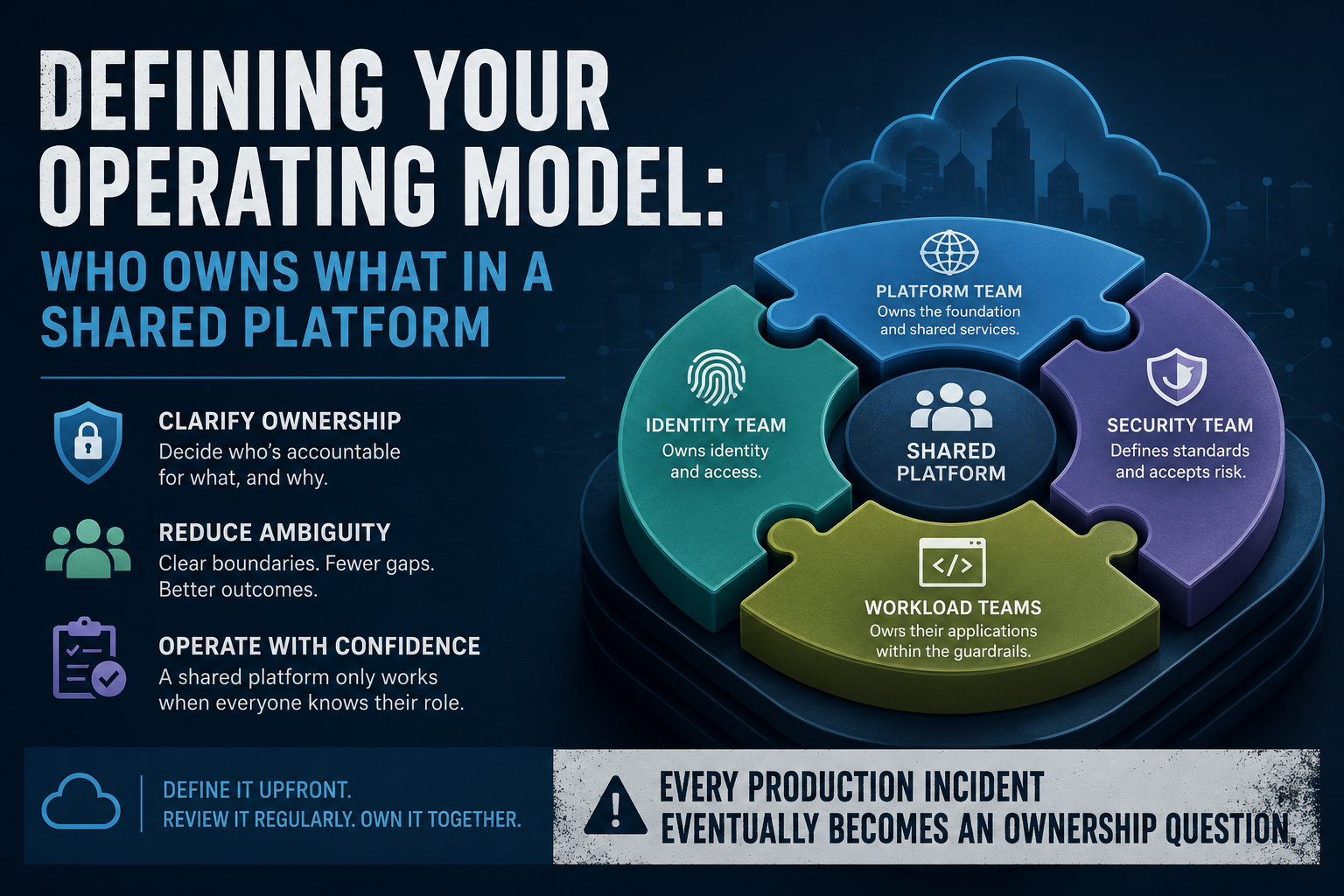
Ownership and access aren’t the same thing. Part 2 of the Azure Platform Operations series: a practical model for who owns what, and why it breaks.

 deniscooper@me.com
Ownership and access aren’t the same thing. Part 2 of the Azure Platform Operations series: a practical model for who owns what, and why it breaks.
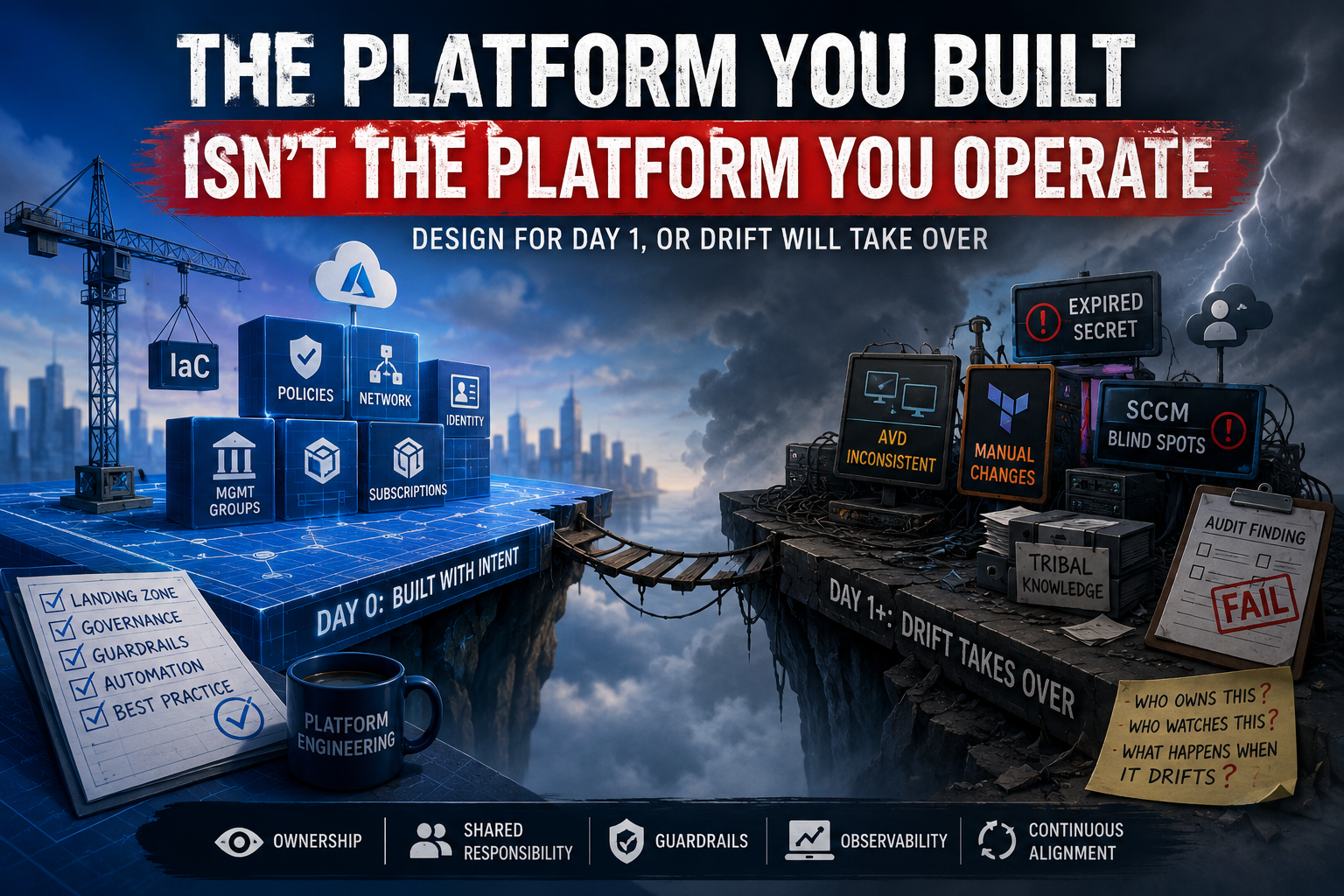
anding zones fail quietly after go-live when nobody owns day 1. Part 1 of the Azure Platform Operations series: service tiers that stop the drift.
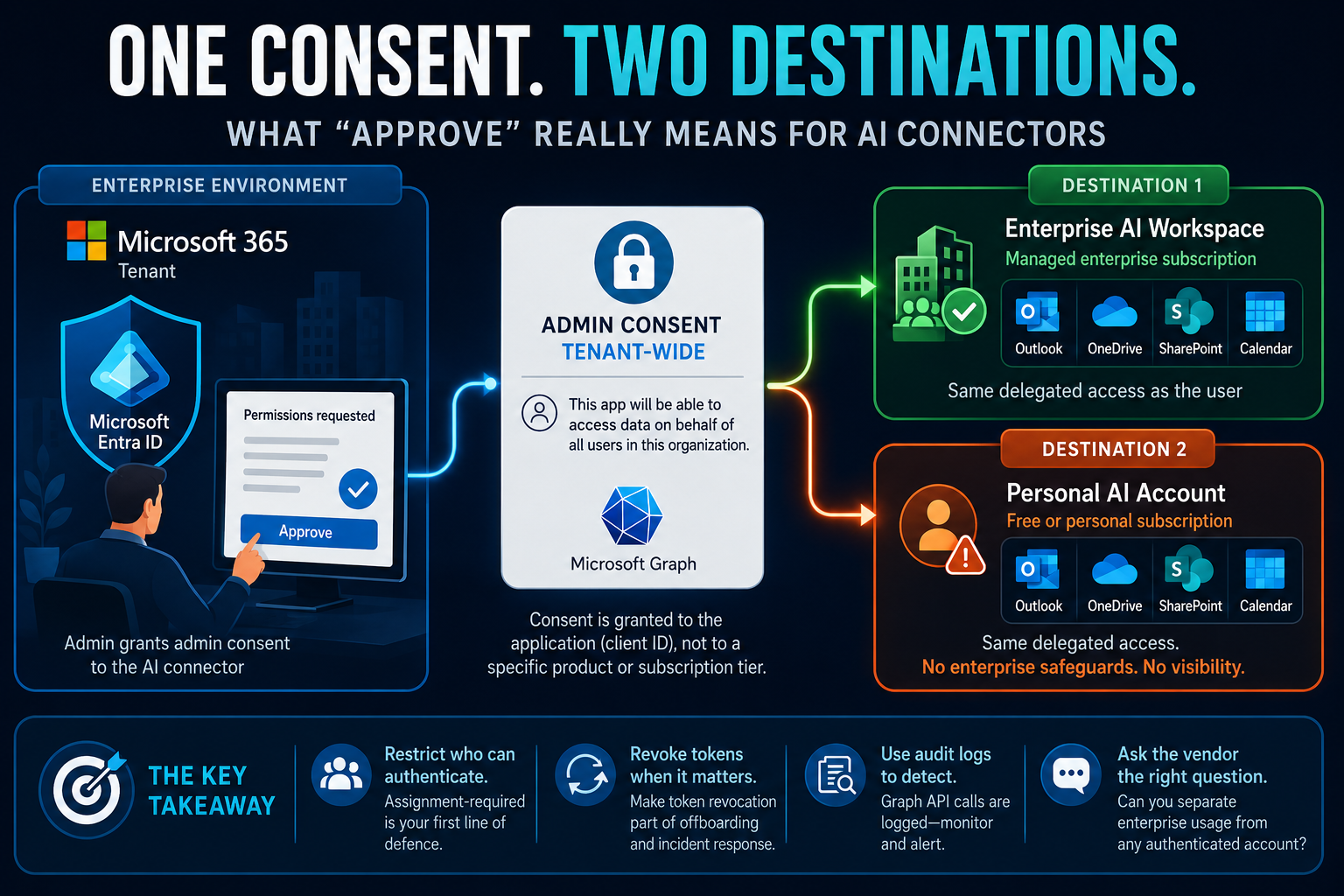
Approving an AI connector for Microsoft 365 doesn’t scope tenant-wide consent to your enterprise plan. Here’s the OAuth gap that lets personal accounts through.
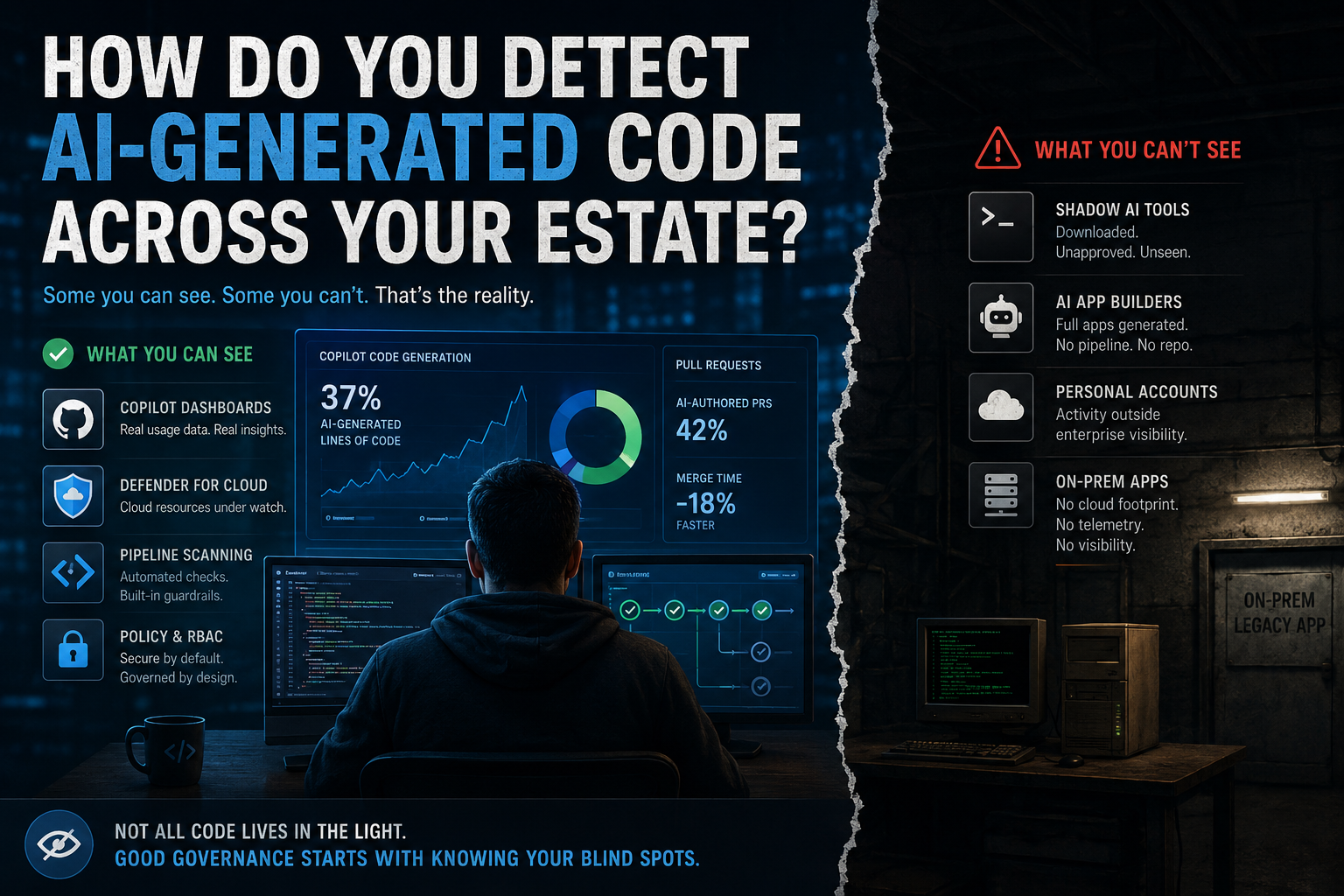
Shadow AI means Claude Code, Lovable and unsanctioned tools entering your estate unseen. Here’s what platform teams can actually detect.
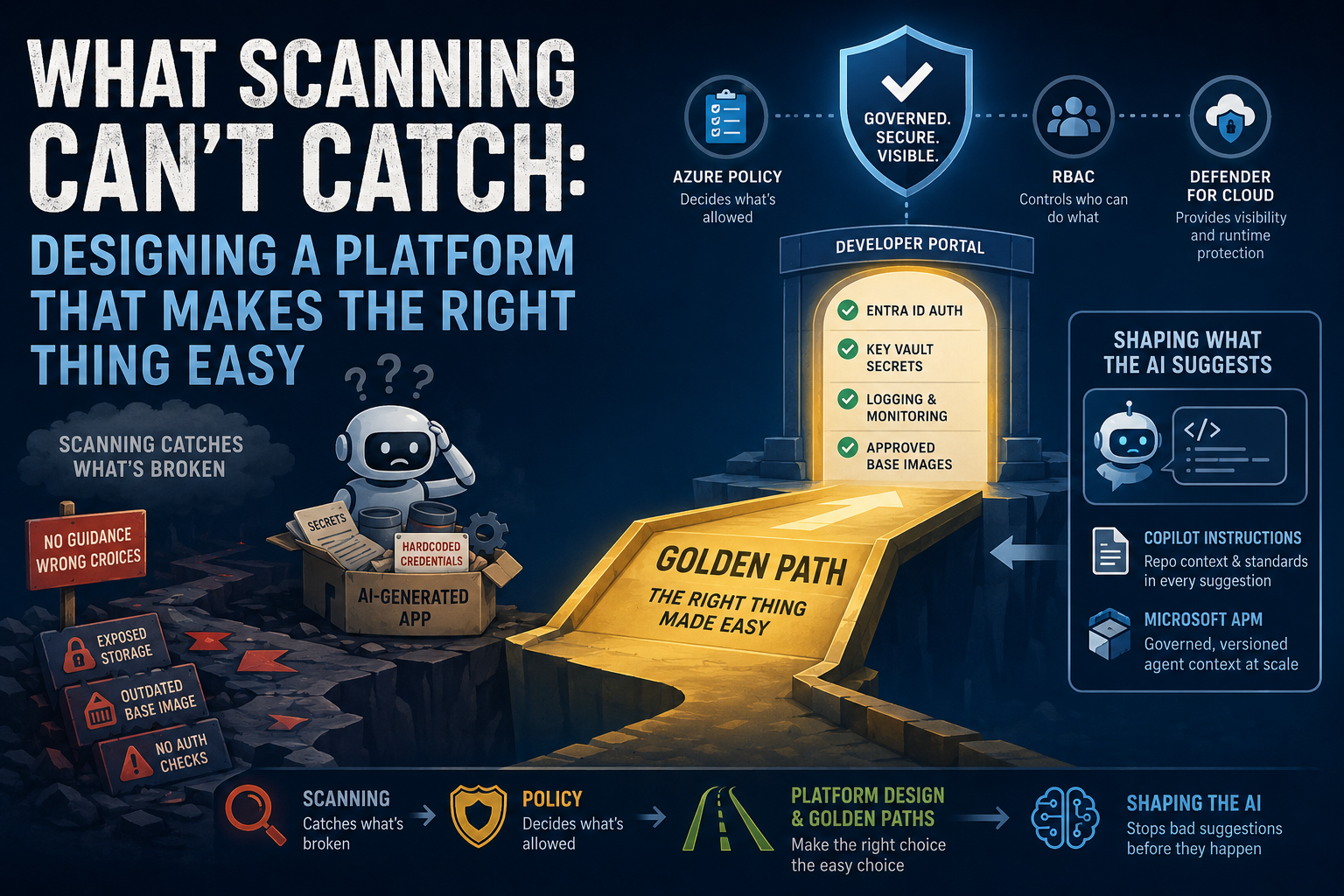
Scanning catches what’s broken. Platform design decides what’s possible. A practical guide to guardrails, golden paths, and AI tooling.
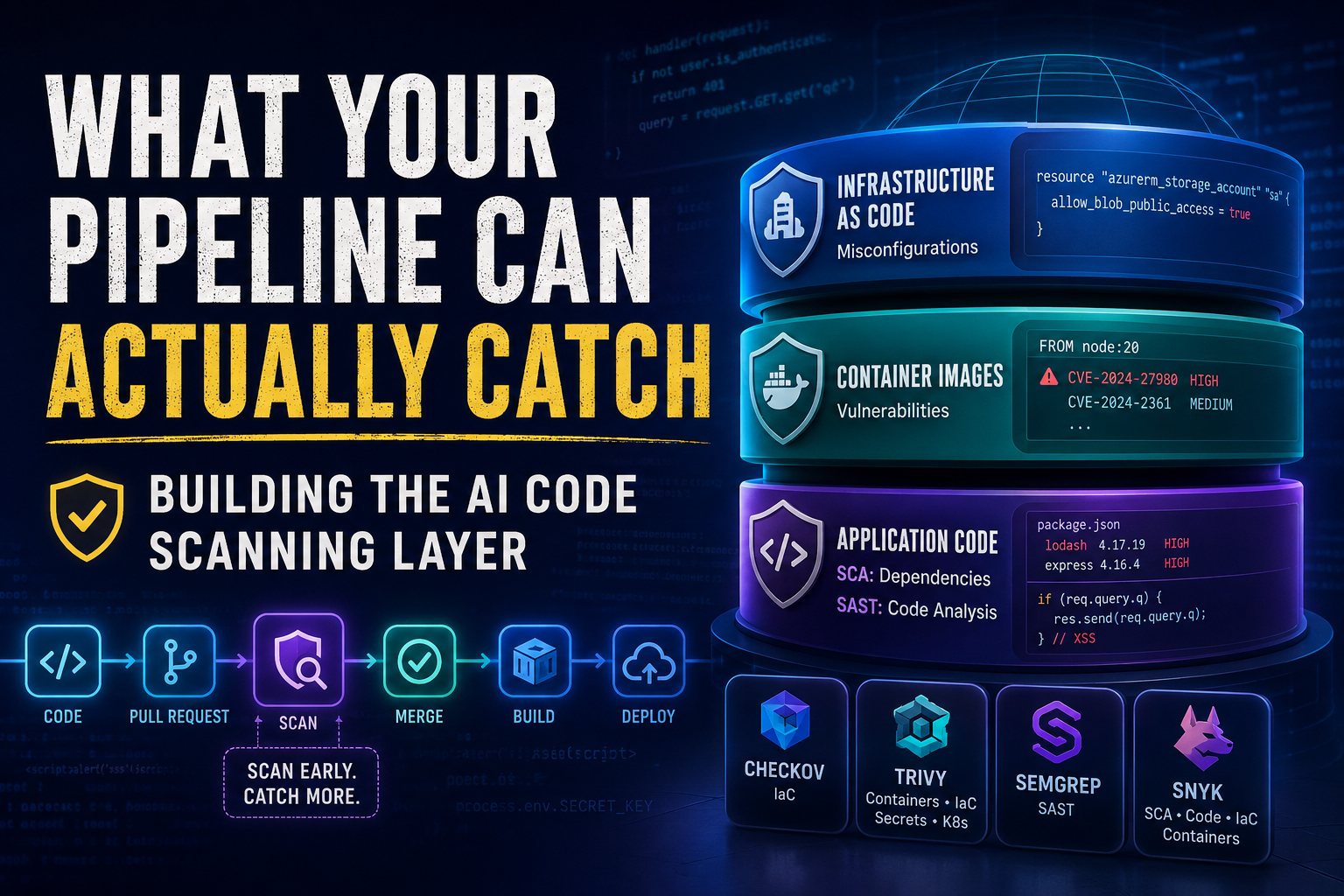
AI tools generate code fast. Your pipeline needs to catch what they get wrong. Here’s how to build a scanning layer across IaC, containers, and application code.
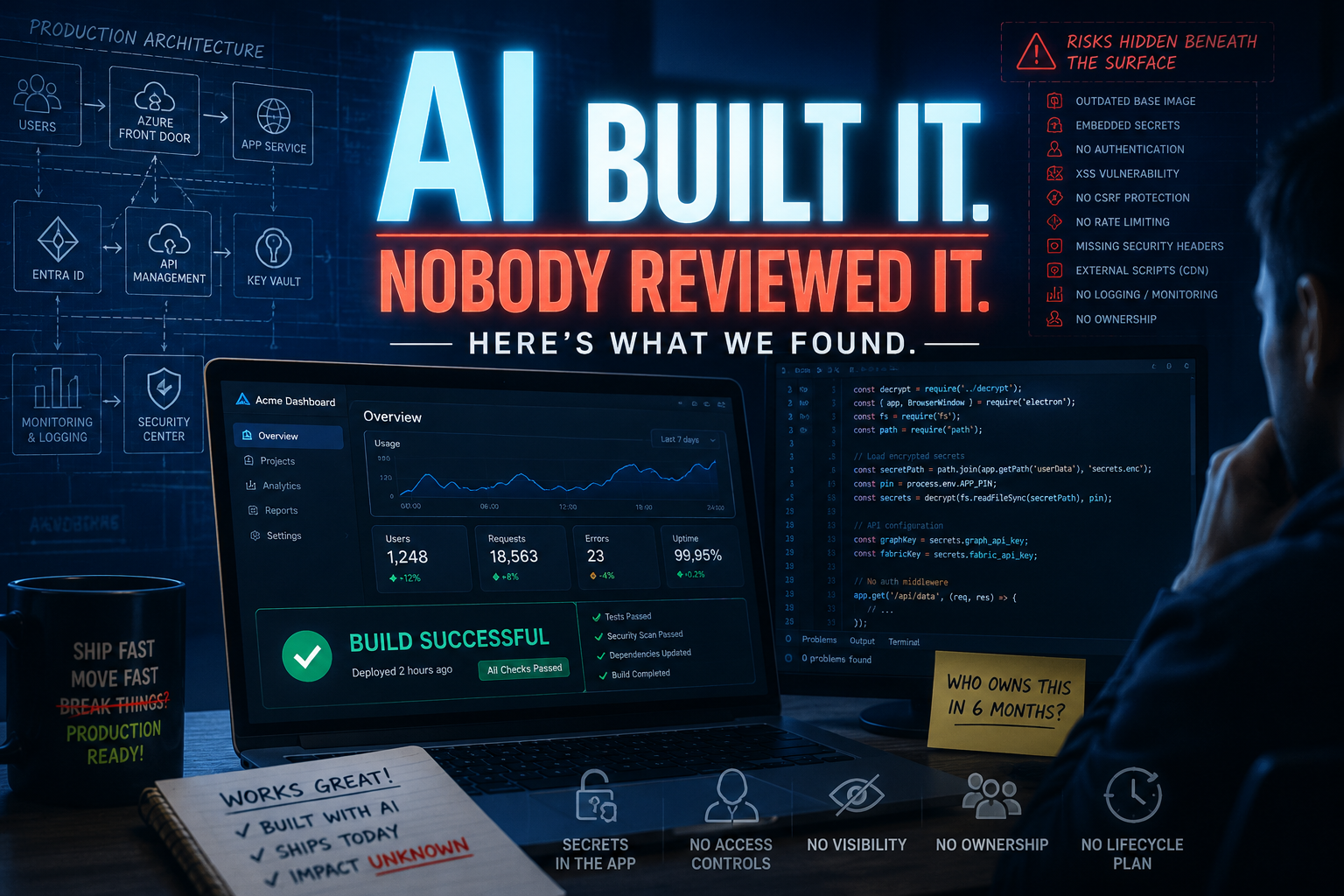
AI tools let anyone build production apps. Here’s what the platform team found when nobody reviewed the code — and what you need to do about it
Azure DevOps vs GitHub Actions: a practitioner comparison covering pipelines, templates, federated identity, GitHub Copilot, and when a hybrid approach makes sense
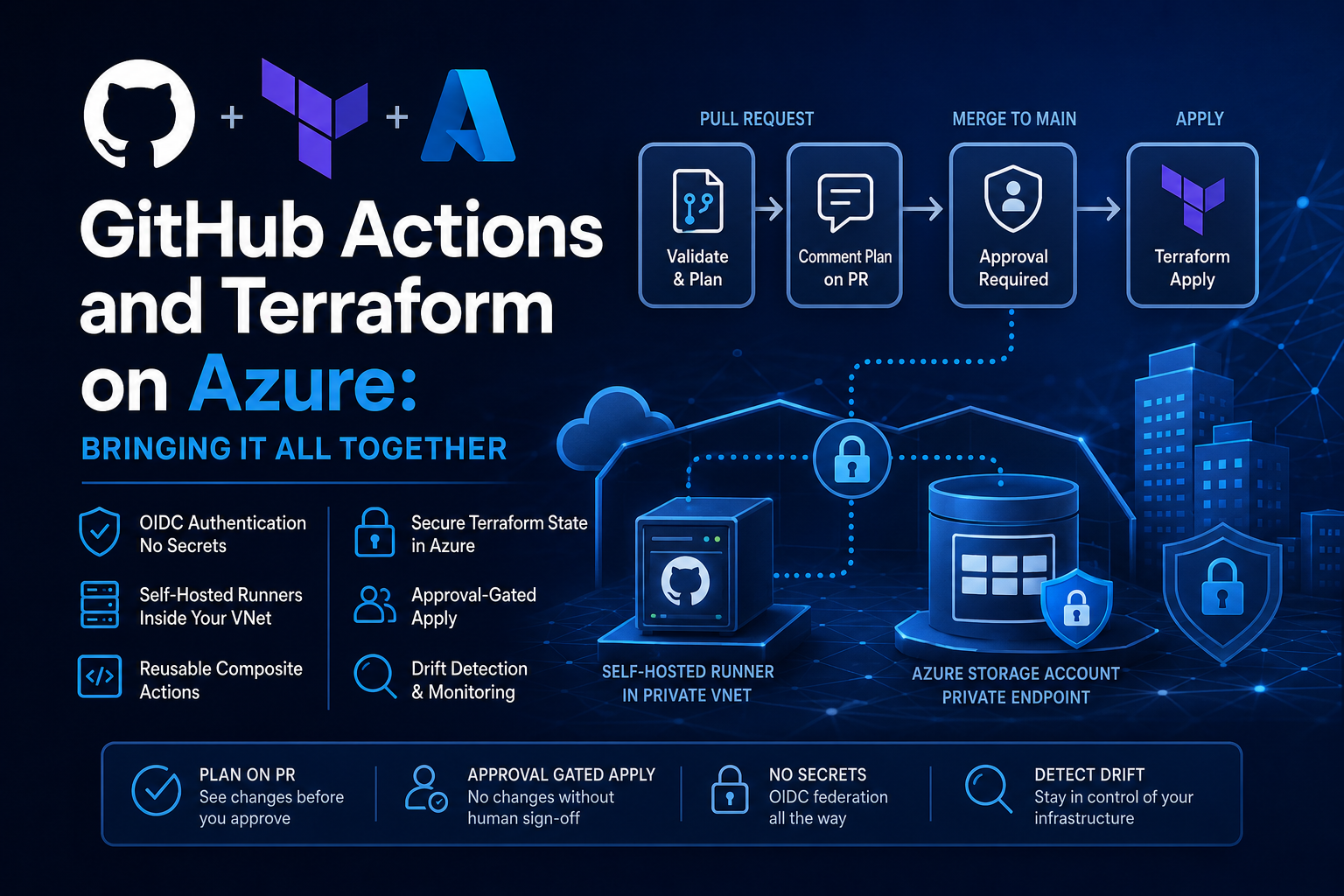
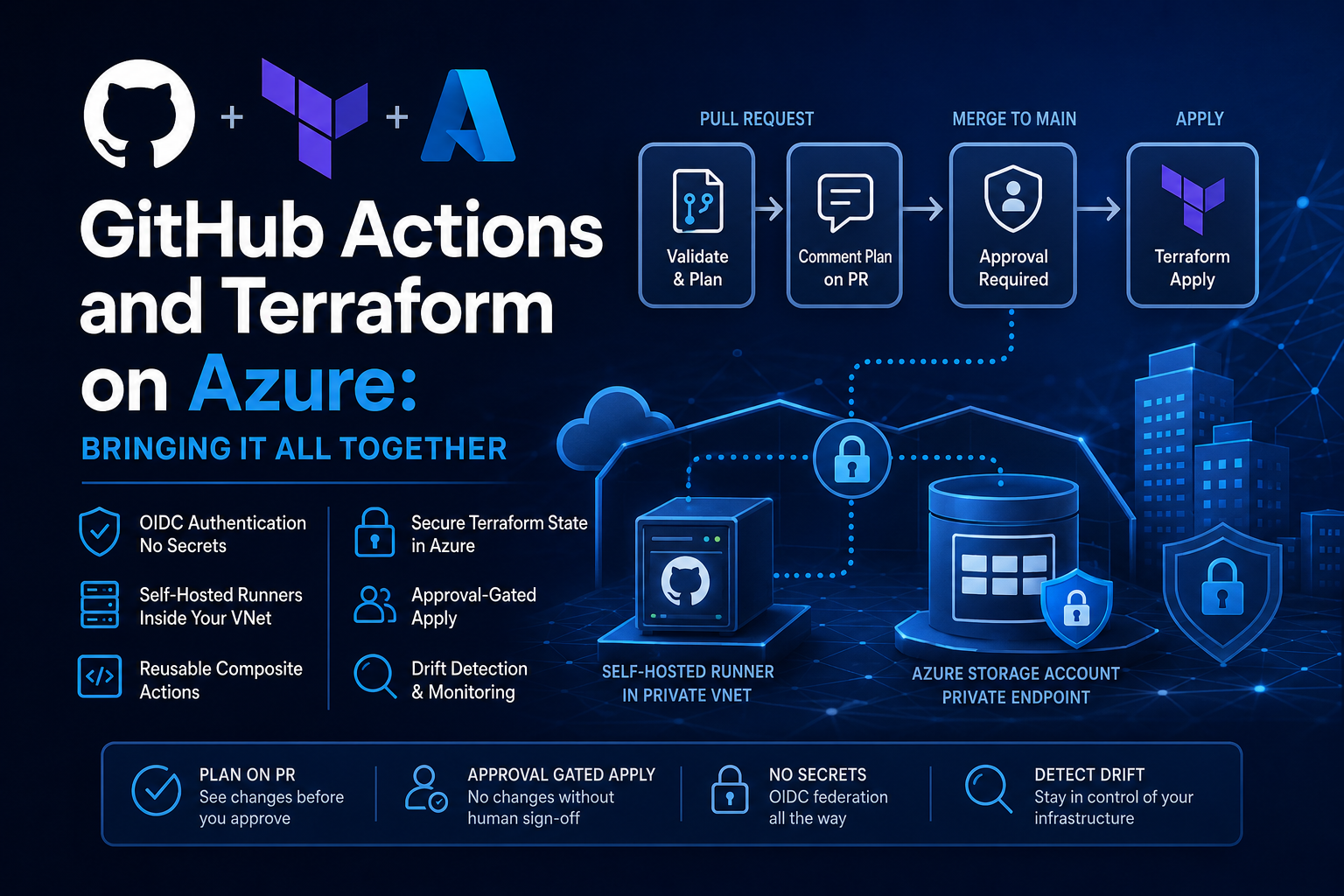
Learn how to build a production-grade Terraform pipeline on GitHub Actions with OIDC authentication, self-hosted runners, composite actions, gated approvals, and drift detection on Azure.

Learn how to build composite GitHub Actions that standardise deployments across teams. A practical guide for platform engineers, with a real Azure OIDC login action walkthrough.