Drift Isn’t a Detection Problem, It’s an Ownership Problem
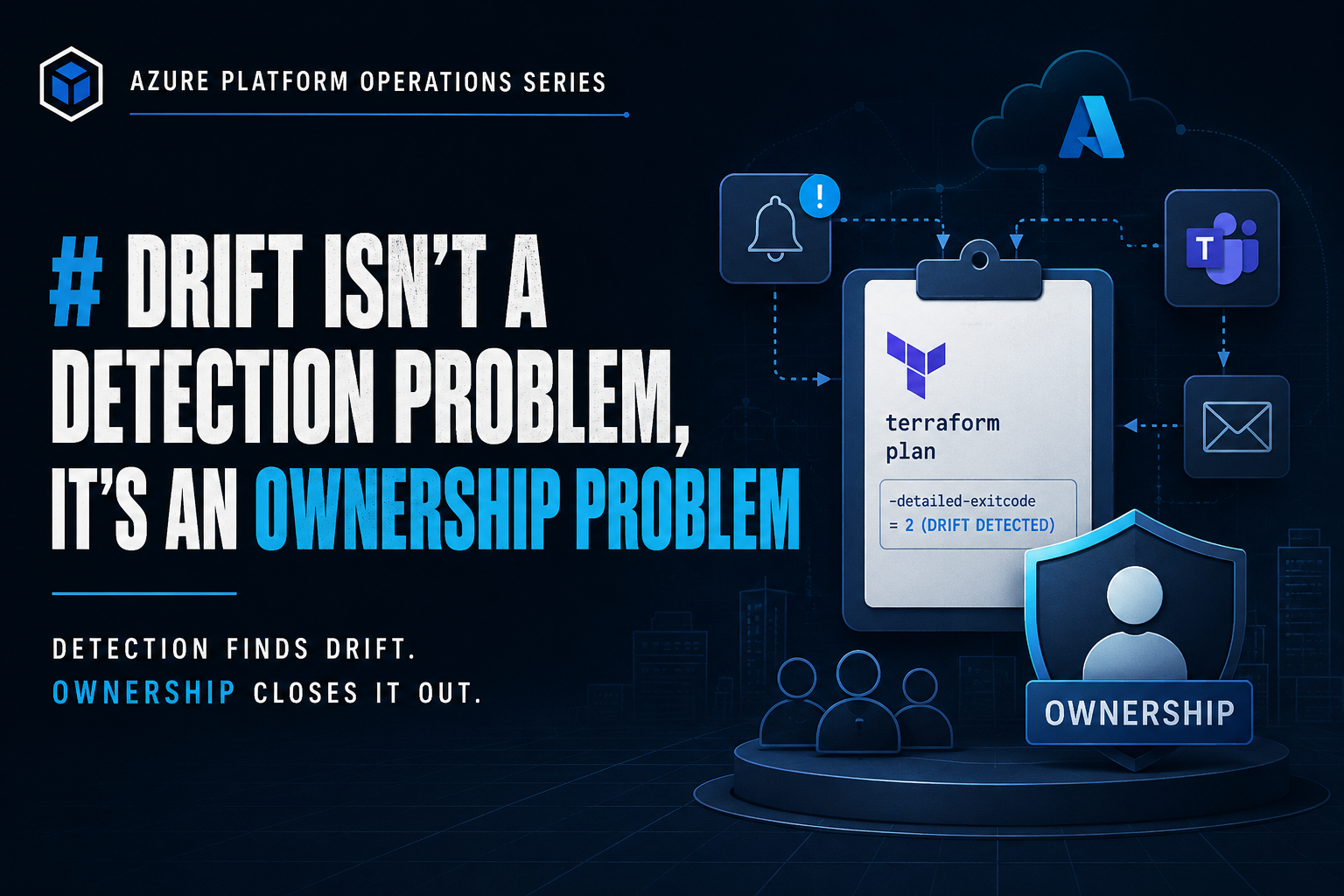
Terraform drift ownership is what actually closes out drift, not detection. Here’s how to assign it, respond to it, and stop it reopening.

Terraform drift ownership is what actually closes out drift, not detection. Here’s how to assign it, respond to it, and stop it reopening.
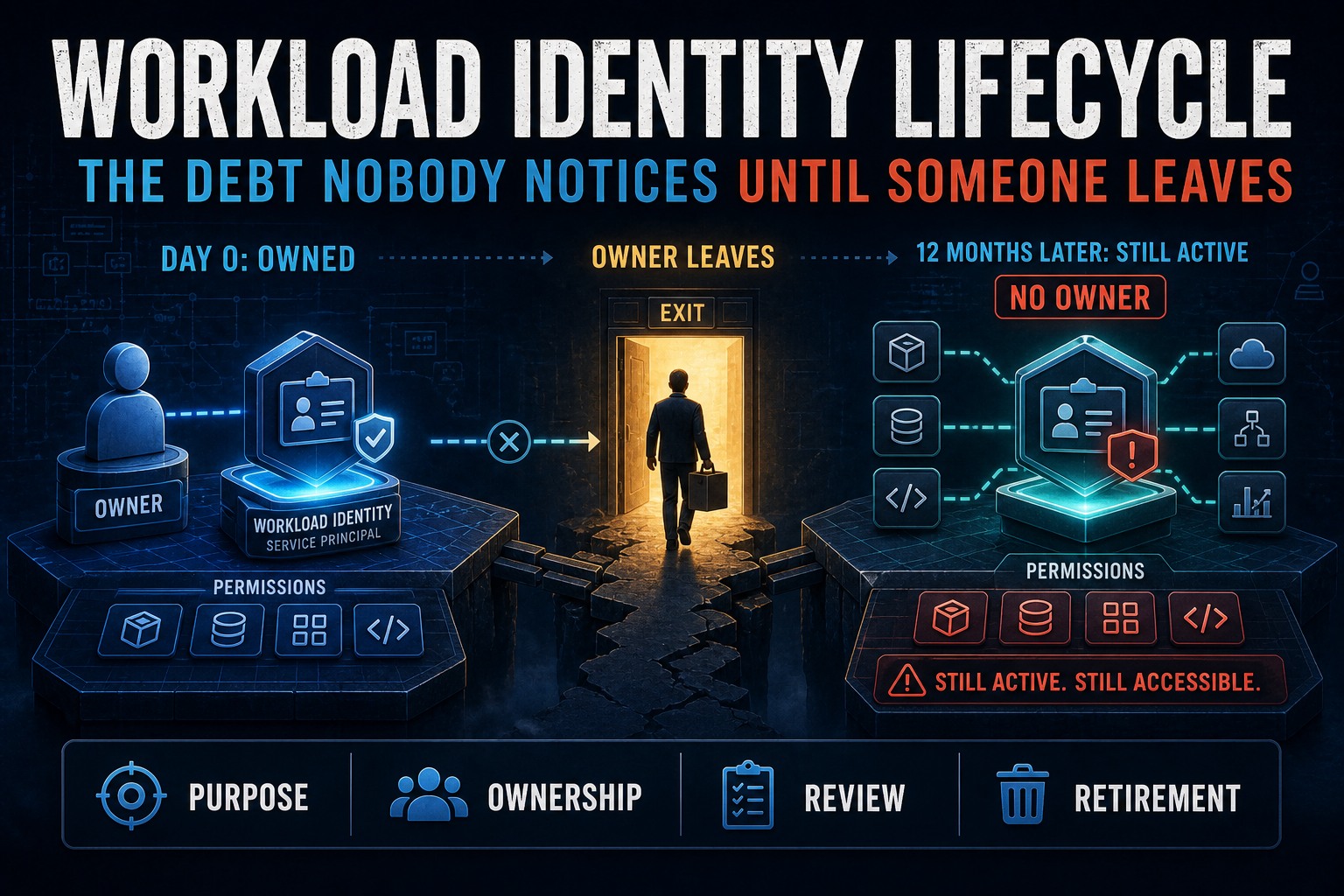
Orphaned service principals and stale secrets don’t announce themselves. What operating workload identity lifecycle in Azure actually requires.
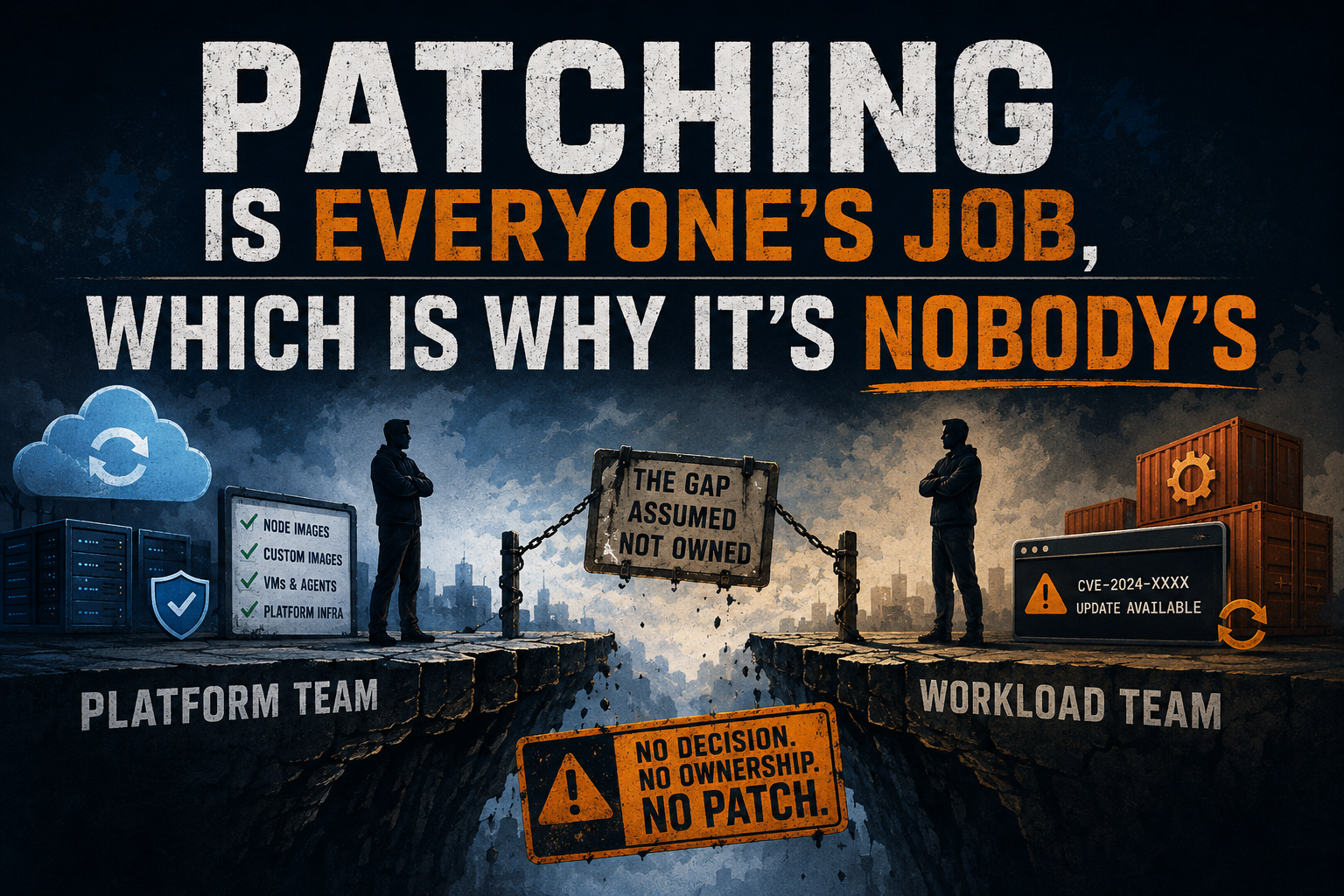
Patching still goes wrong even though everyone knows it matters. Because platform patching responsibility is never drawn clearly, and both sides assume the other has it.
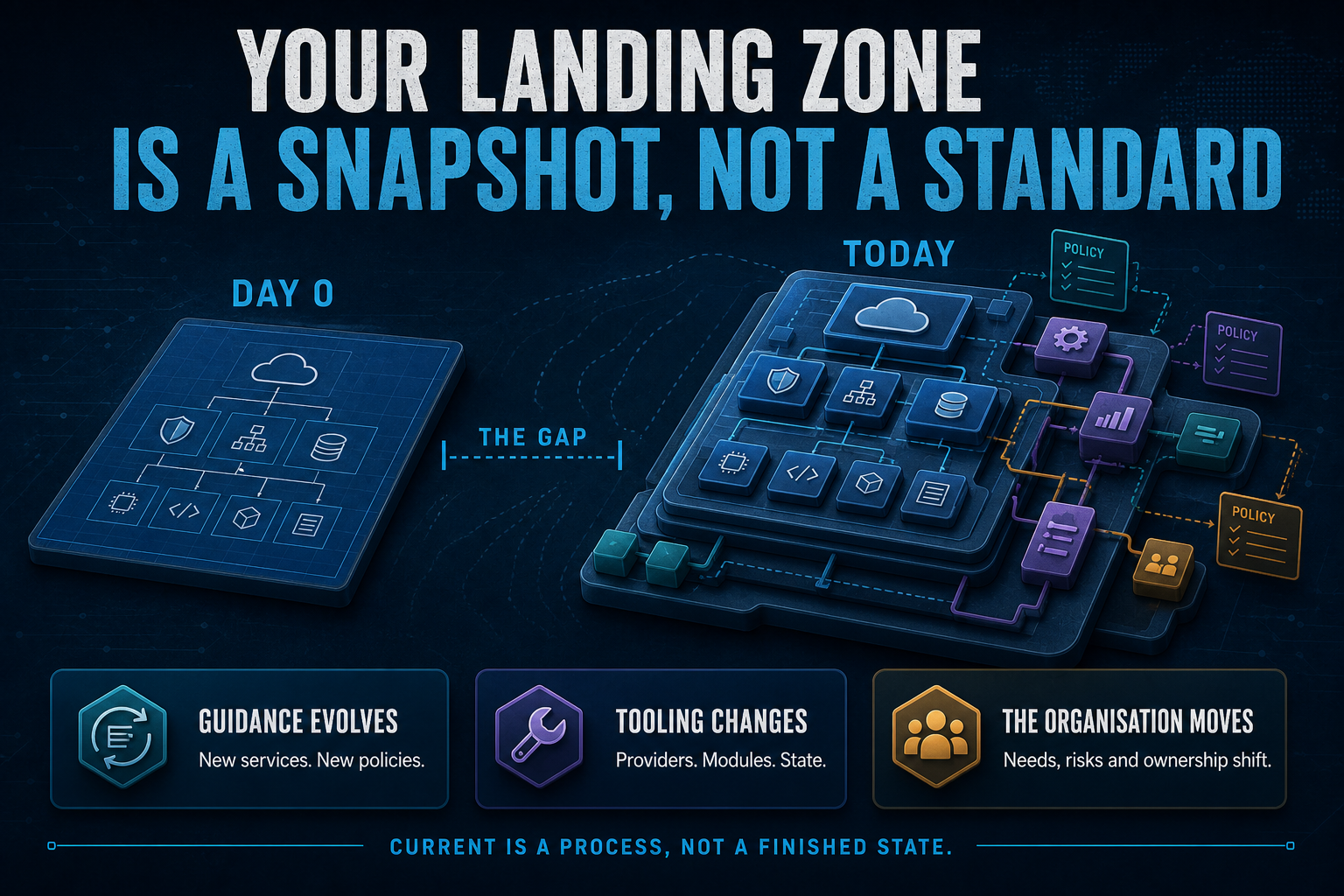
Your Azure landing zone was current the day you deployed it. Since then it’s been drifting. Why landing zone currency is an operating problem, not a one-time build.
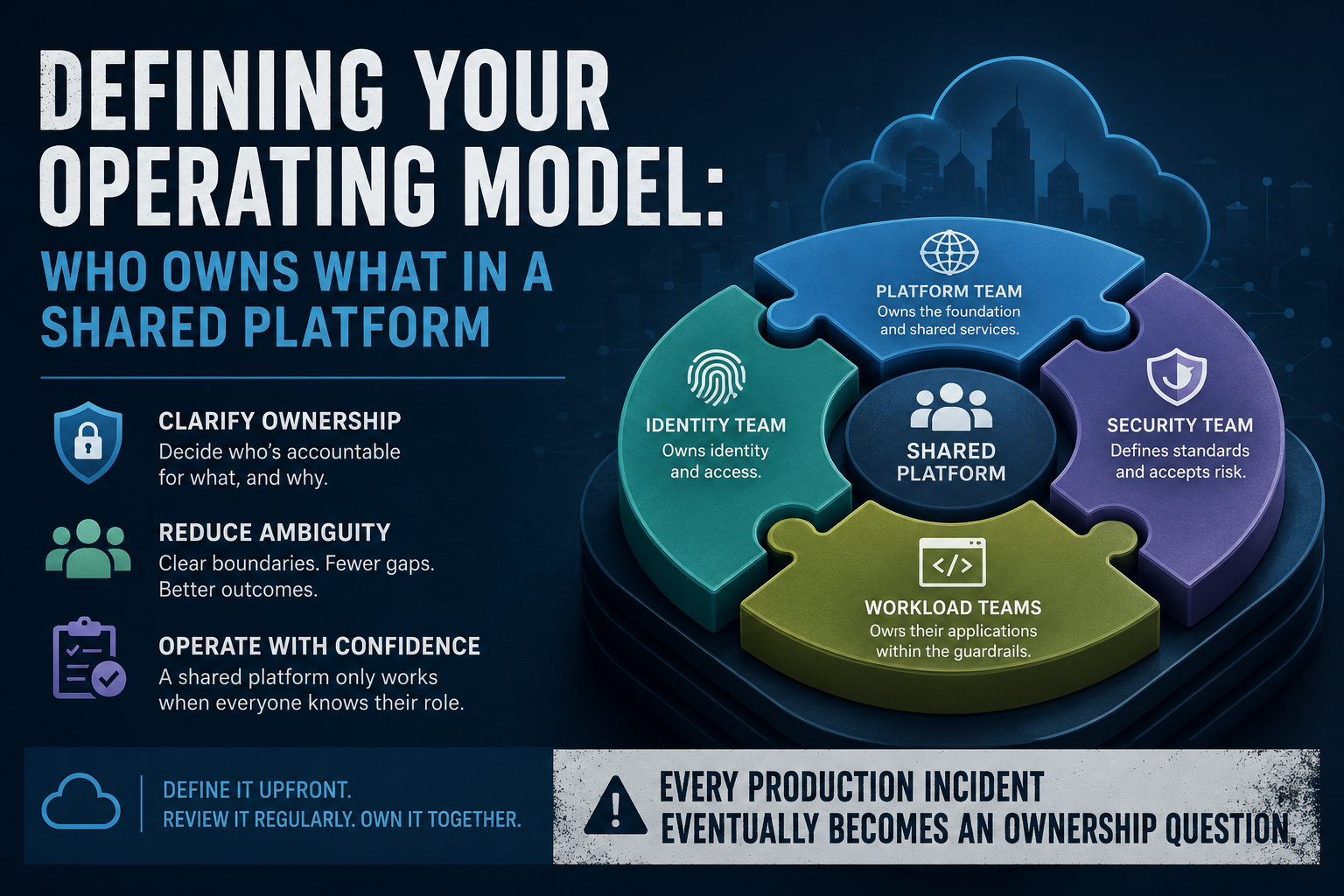
Ownership and access aren’t the same thing. Part 2 of the Azure Platform Operations series: a practical model for who owns what, and why it breaks.

Security in the cloud isn’t about building walls – it’s about building visibility and control. Explore zero trust principles, Conditional Access policies, and how to protect Azure resources through identity-centric security rather than network perimeters.
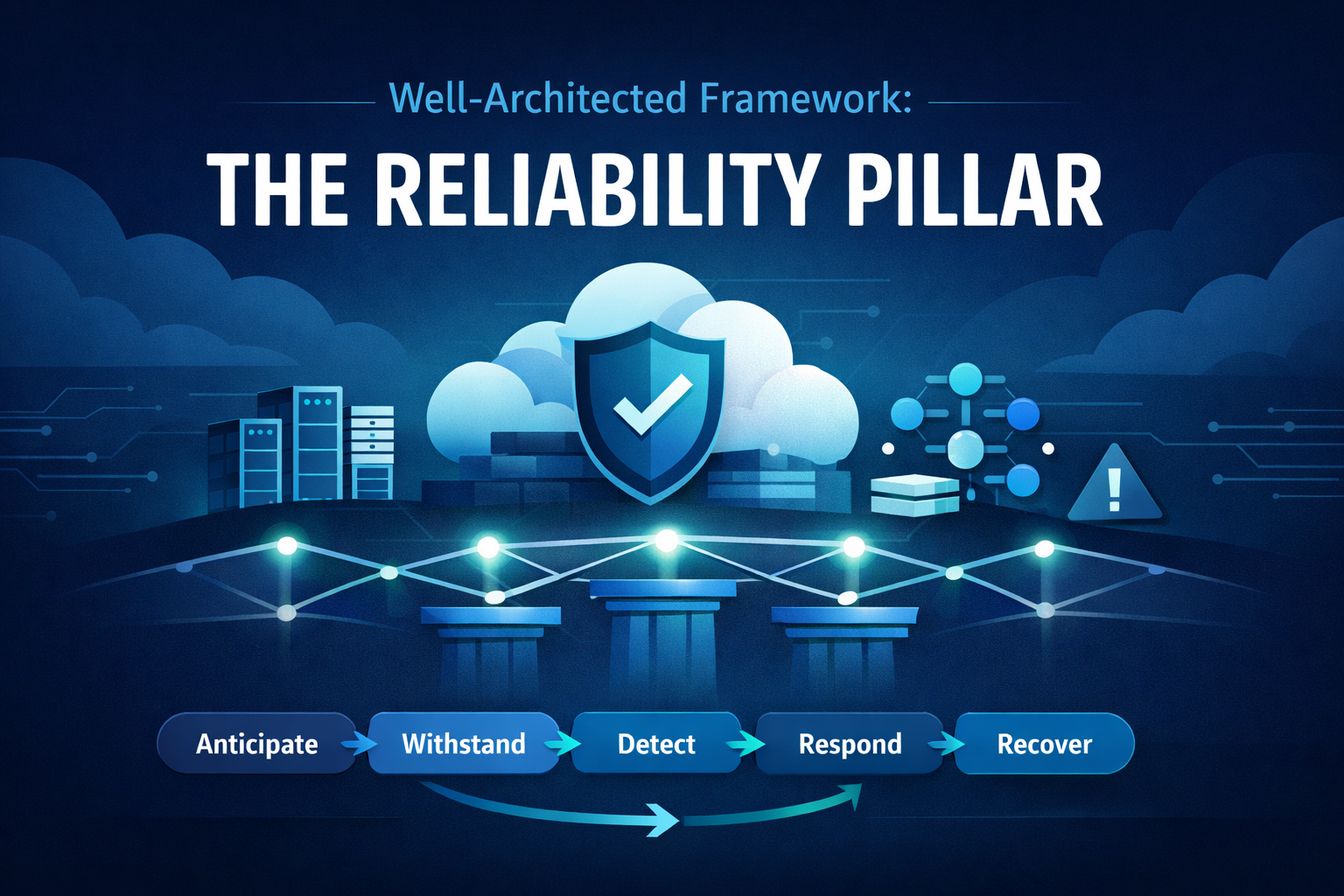
Reliability isn’t about uptime—it’s about predictability. In this post, we break down the Azure Well-Architected Framework Reliability pillar, focusing on real-world design decisions: RTO and RPO, redundancy vs resilience, dependency management, and how to design systems that recover when failure inevitably happens.
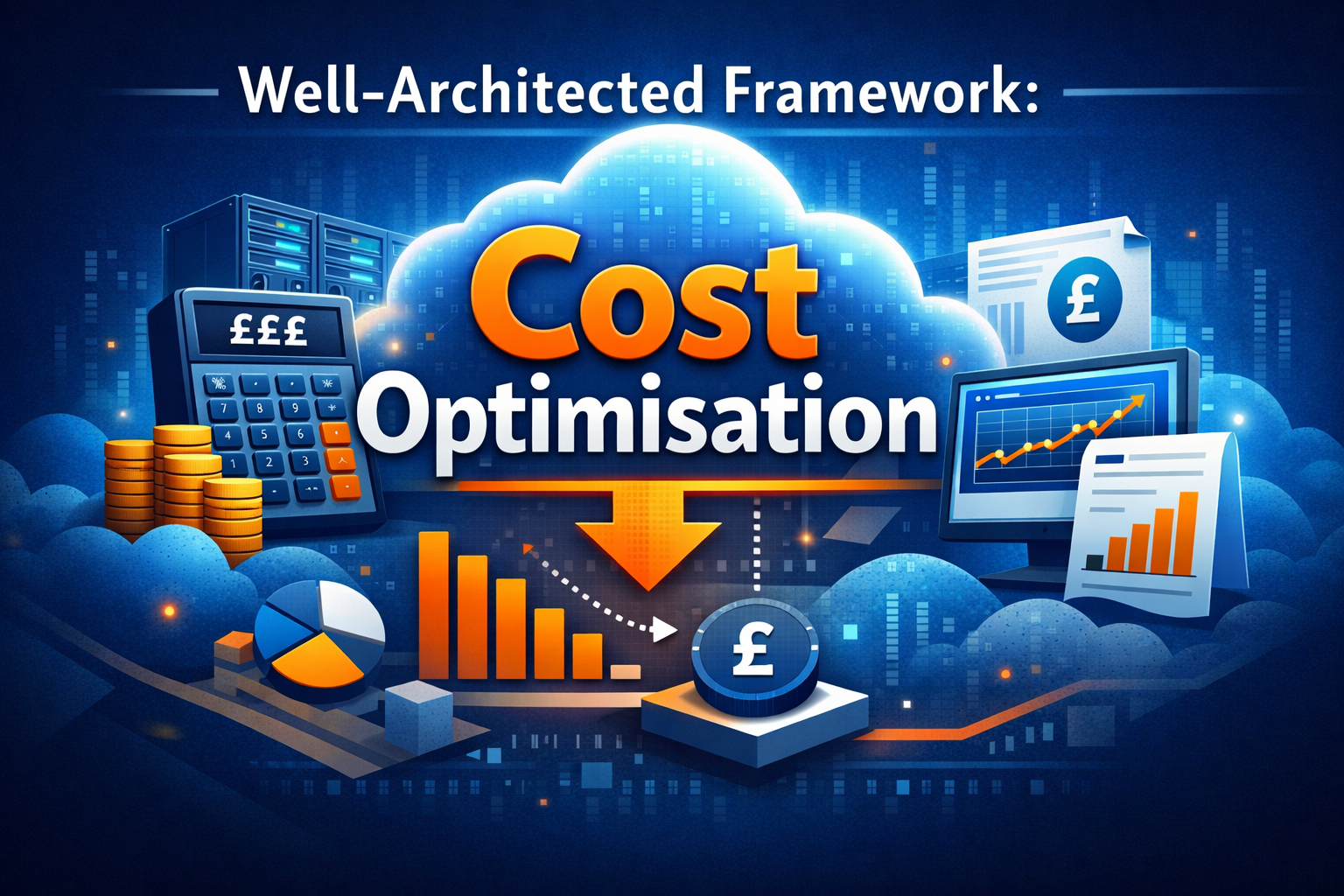
The Microsoft Well-Architected Framework (WAF) gives us five key pillars to ensure our workloads are designed and operated in a way that’s optimised for the cloud. One of those pillars is Cost Optimisation, and yet it’s consistently one of the most neglected areas, pushed to the side until someone receives a rather large unexpected bill. … Read more

Confused why Global Admin can’t access Azure resources? Learn the difference between Entra roles, Azure RBAC, and Defender permissions

Building your Azure Data Center Foundation Traditional on-premises data centers are constrained by physical reality-limited space, aging hardware, and long provisioning cycles that drag through change management, multiple teams, and competing priorities across servers, applications, networks, and security. Scaling means racking, stacking, cabling, and hoping there’s still room in the hall. A modern Azure data … Read more