GitHub Actions and Terraform on Azure: A Production Pipeline
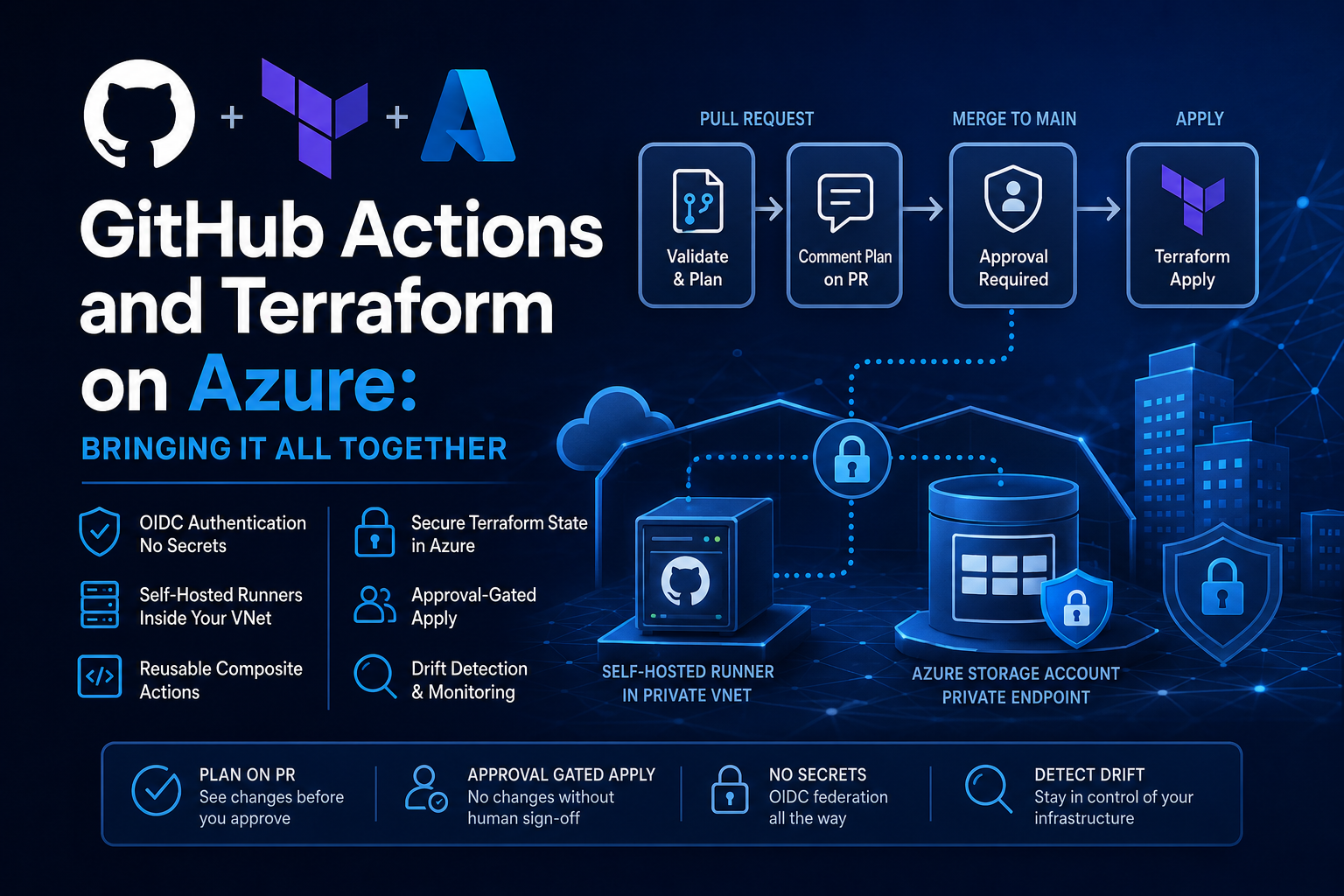
Learn how to build a production-grade Terraform pipeline on GitHub Actions with OIDC authentication, self-hosted runners, composite actions, gated approvals, and drift detection on Azure.
Learn how to build composite GitHub Actions that standardise deployments across teams. A practical guide for platform engineers, with a real Azure OIDC login action walkthrough.
If you’ve been following this series, you’ll know we’ve covered foundational GitHub Actions workflows and secrets management. Now it’s time to solve one of the most common questions I get when teams move from Azure DevOps to GitHub: how do you authenticate to Azure without storing credentials? The answer is OIDC, and in this post … Read more
Learn how to build a production-ready, reusable GitHub Actions workflow for platform engineering. Covers secrets management, OIDC, concurrency control, Checkov, Infracost and more
MFA doesn’t stop token theft. Learn how to protect access tokens in Microsoft Entra ID using passkeys, token protection, and Conditional Access.
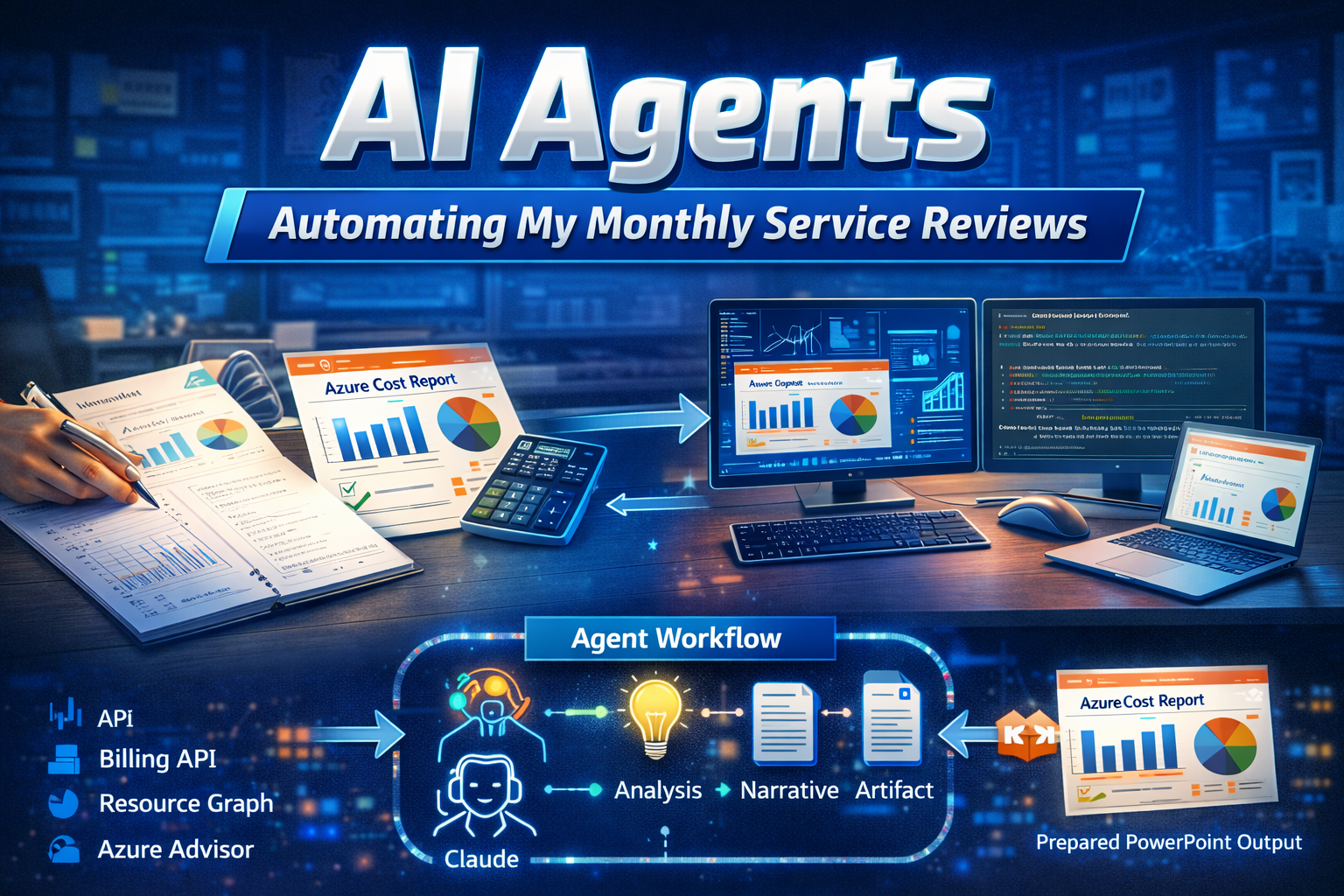
Every month I spend 4-6 hours pulling Azure billing data, resource graphs, and advisor recommendations into a slide deck for our stakeholders. It’s necessary work, costs, right-sizing, performance, resource usage all need reviewing, but it’s pure drudgery. Pull data, compile findings, wrestle it into a deck that doesn’t look like a default template, repeat. So … Read more
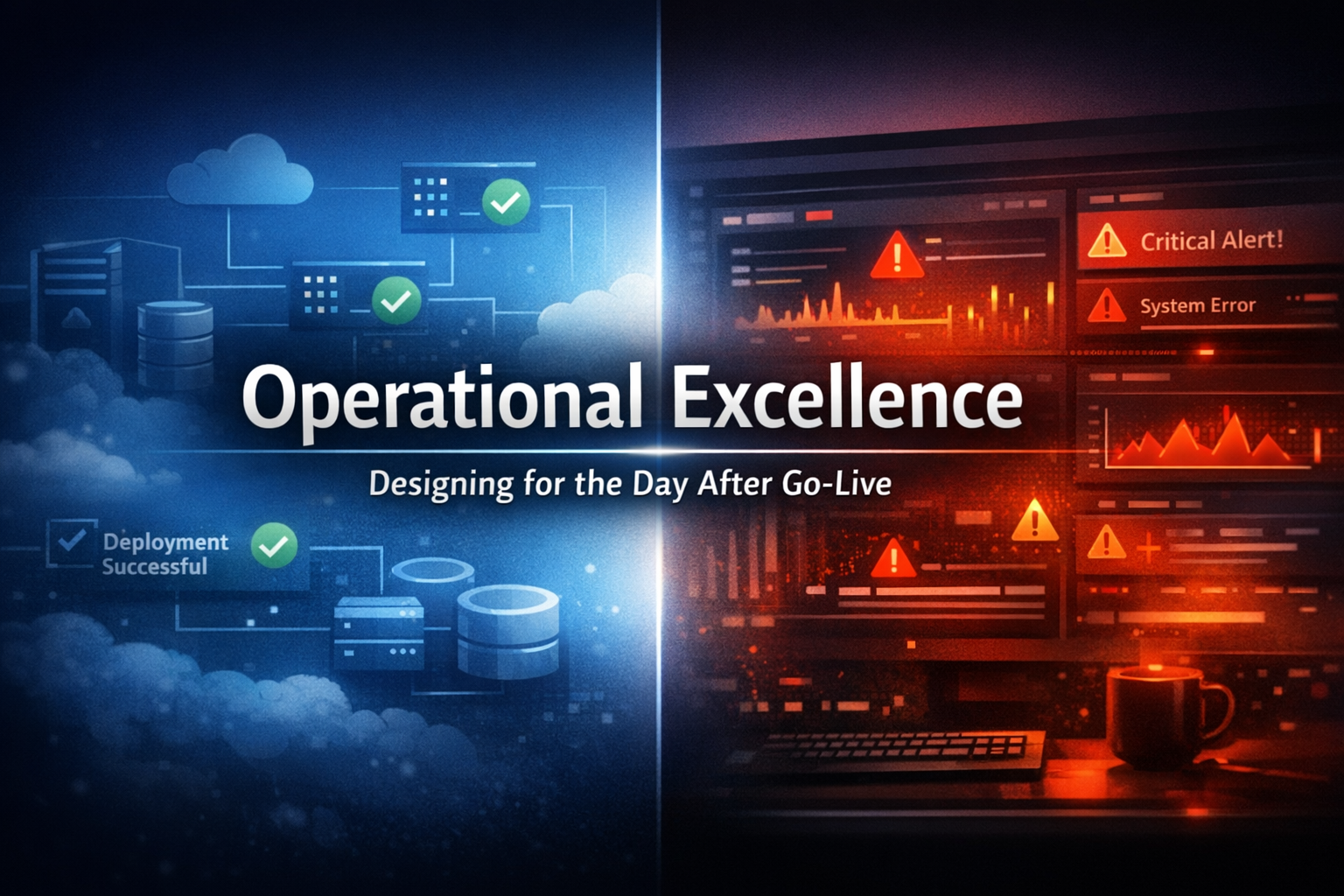
Operational Excellence in Azure is the difference between deploying a solution and successfully running it. Learn how to design for observability, supportability, and continuous improvement using the Microsoft Well-Architected Framework.
Introduction We’re four pillars deep into the Well-Architected Framework series. So far we’ve covered Reliability, Security, and Cost Optimisation. This week we’re looking at Performance Efficiency, arguably the pillar that gets the least attention until something goes wrong. And something usually does go wrong. The symptoms are familiar: an application that performs fine in testing … Read more
Security in the cloud isn’t about building walls – it’s about building visibility and control. Explore zero trust principles, Conditional Access policies, and how to protect Azure resources through identity-centric security rather than network perimeters.
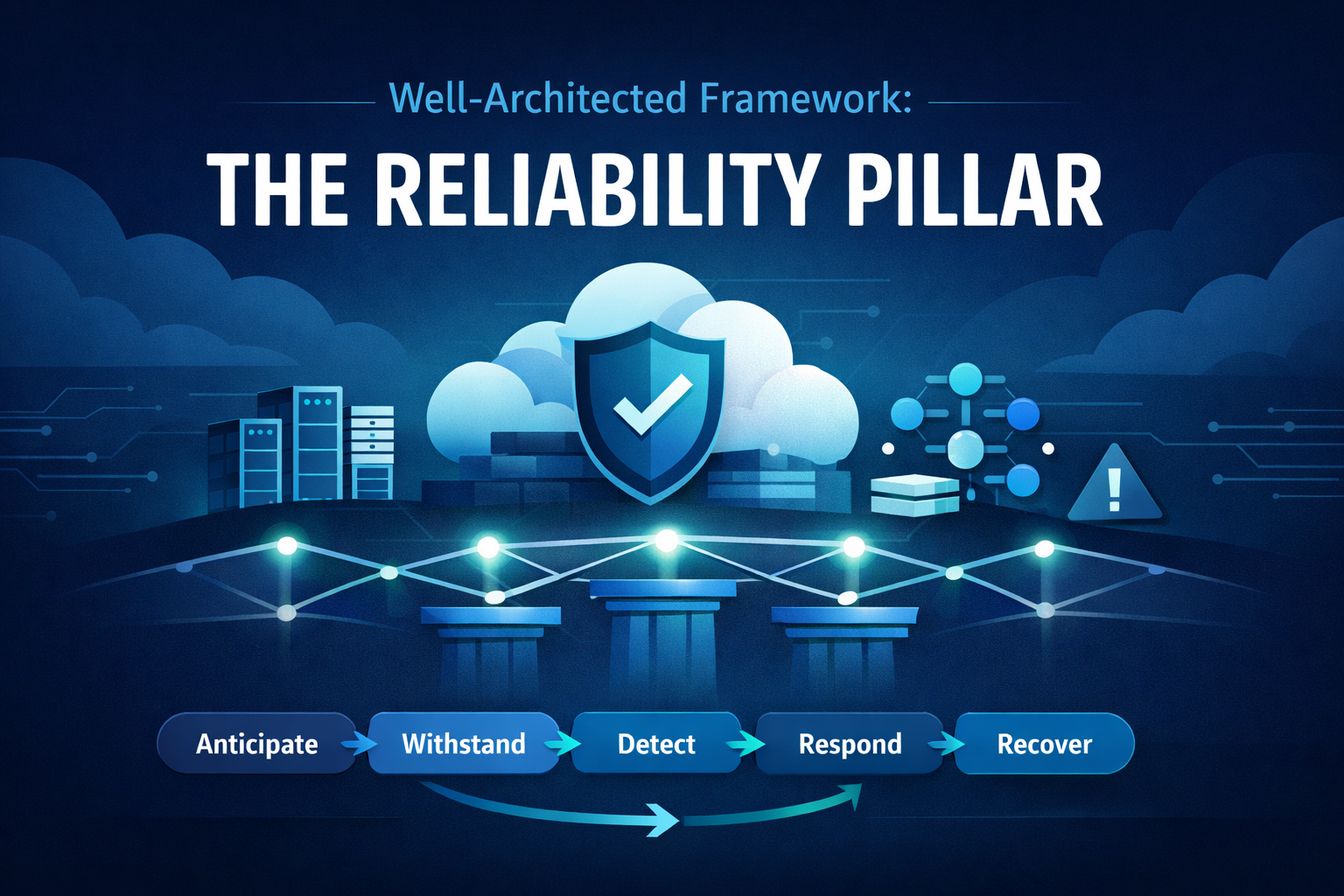
Reliability isn’t about uptime—it’s about predictability. In this post, we break down the Azure Well-Architected Framework Reliability pillar, focusing on real-world design decisions: RTO and RPO, redundancy vs resilience, dependency management, and how to design systems that recover when failure inevitably happens.